Adventures with Moses Day 2

Lea Ann Koekenberg • June 22, 2026

Day 2 of Adventures with Moses

The Moses Adventure – Week 2: Called by God and Protected by His Power

What an incredible second week of The Moses Adventure! Our church was buzzing with energy as children, parents, grandparents, and friends gathered together to continue our journey through the life of Moses. This week was packed with dramatic storytelling, meaningful discussions, hands-on activities, and a powerful reminder that God calls ordinary people to do extraordinary things.


Moses Hears God's Call: Discovering God's Name


One of the most powerful moments of our lesson came when Moses asked God a question many of us might ask:


"Who should I say sent me?"


God responded with a name unlike any other:

"I AM WHO I AM." — Exodus 3:14


In Hebrew, God's sacred name is often written as YAHWEH. As we explored this name together, participants learned something fascinating: many scholars note that the sound of "YAHWEH" can resemble the sound of breathing—breathing in and breathing out.


🌬️ Try it yourself:

  • Yah (breathing in)
  • Weh (breathing out)


From our very first breath to our very last, God is with us. Every breath can remind us of God's presence, love, and faithfulness. Just as God promised Moses, "I will be with you," God continues to be with us every day.


For our participants, this became a beautiful reminder that God is never far away. We don't have to travel to a mountain or stand before a burning bush to experience His presence—God is as close as the breath in our lungs. As Moses learned God's name, he also learned an important truth: God was calling him for a purpose, and God would be with him every step of the journey.


A Bush That Burned But Never Burned Up


Together, we explored Exodus 3:1-15 and imagined what Moses must have felt when he saw a bush on fire that wasn't being consumed by the flames. Participants broke into groups to discuss:


  • What they would do to get someone's attention.
  • Ways God might speak to us today.
  • How they would feel if God spoke directly to them.
  • What kind of work God might be calling them to do right now.


Children shared thoughtful answers about helping others, being kind, serving at church, and standing up for what's right. It was wonderful to watch different generations learn from one another and discover that God can use people of every age.


Pharaoh Says "No!"


The adventure continued as we moved into one of the most dramatic sections of Scripture.


Miriam explained how Moses and his brother Aaron returned to Egypt to ask Pharaoh to release God's people from slavery. Unfortunately, Pharaoh's heart was hard, and he repeatedly refused.

To help everyone understand the story, our leader held up an EXIT sign and asked participants where they had seen one before. We talked about how the word "Exodus" sounds a lot like "exit" because the entire story is about God's people leaving Egypt and escaping slavery.


Every time Moses asked Pharaoh to let the Israelites go, Pharaoh answered with the same word: "NO!"


The Ten Plagues


As we explored Exodus chapters 7–12, participants learned about the ten plagues God sent upon Egypt:


  1. Water turned to blood
  2. Frogs
  3. Gnats
  4. Flies
  5. Diseased livestock
  6. Boils
  7. Hail
  8. Locusts
  9. Darkness
  10. Death of the firstborn


The groups had lively conversations about which plague would have been the worst to experience and why. Many children voted for frogs in their beds, while others thought darkness or locusts covering everything would be the most frightening.


One of the most meaningful discussions centered around stubbornness. Participants reflected on times when they had been stubborn like Pharaoh and how difficult it can be to admit when we are wrong.


We also flipped the story around and challenged everyone to think of "plague opposites"—good gifts God gives us every day. Answers included sunshine, food, friendship, clean water, animals, laughter, health, family, love, and faith.


God Is Our Protector


Throughout the evening, one message remained clear: God is our Protector.


Just as God protected the Israelites from slavery, He protects and guides us today. Even when situations seem impossible, God is at work. Even when doors seem closed, God provides a way forward. The story of Moses reminds us that God's plans are bigger than our fears and stronger than any obstacle.


Hands-On Learning


Our participants didn't just hear the story—they experienced it!


🎨 Burning Bush Craft

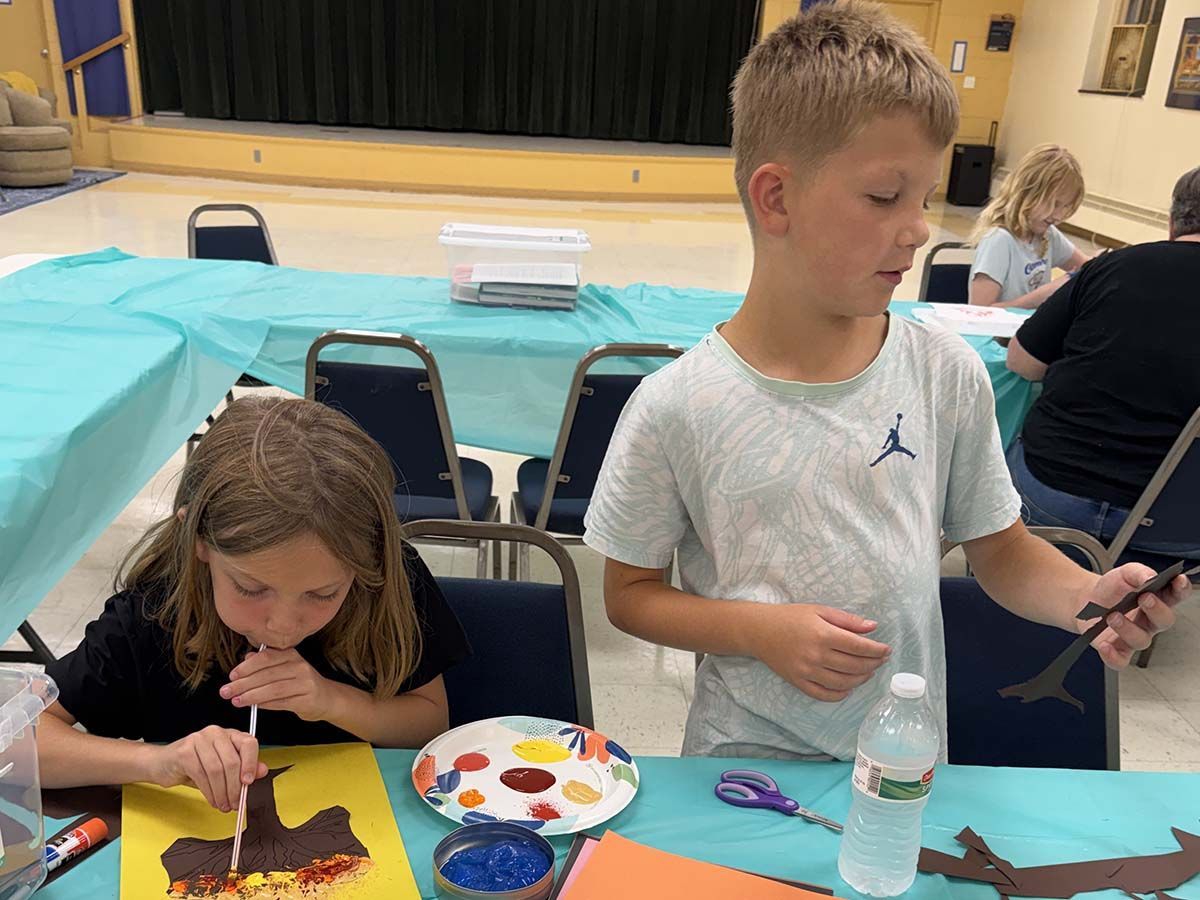
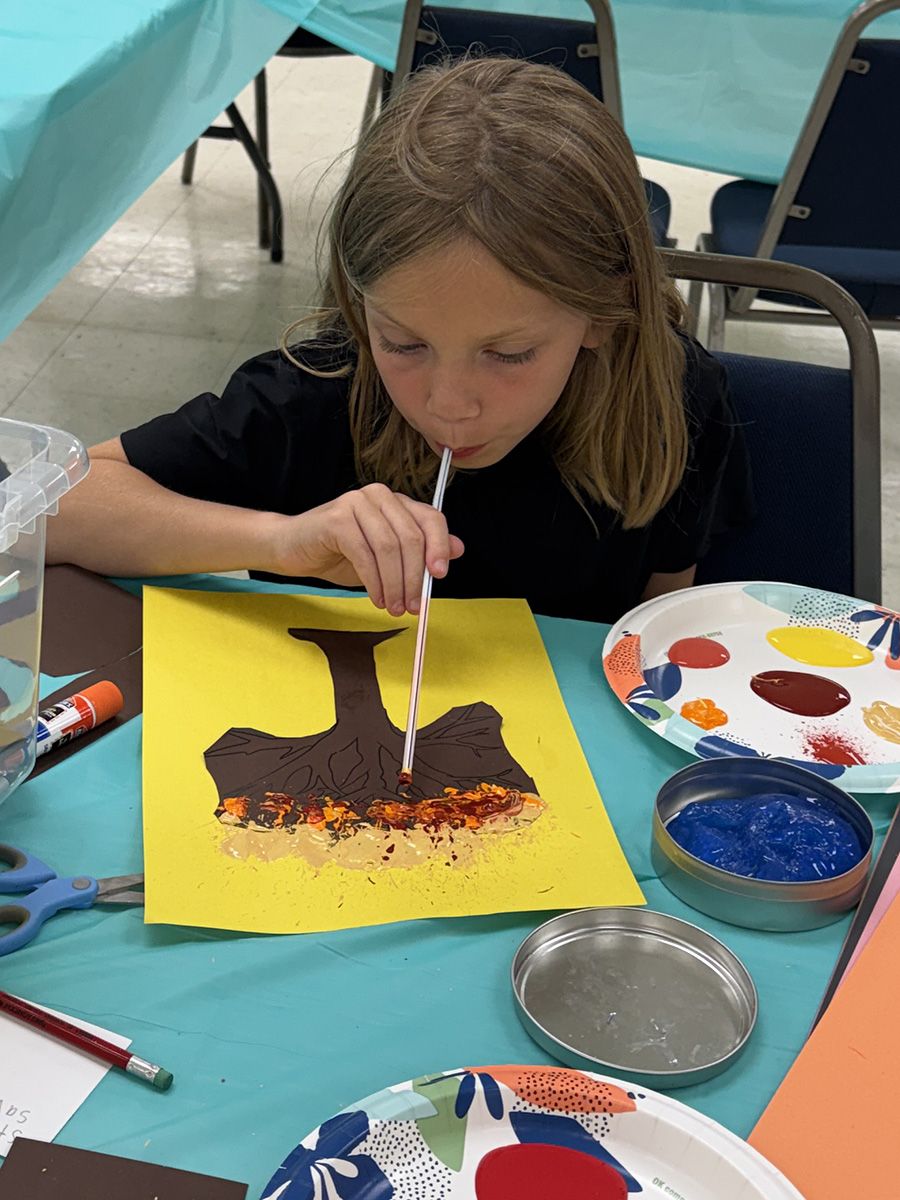
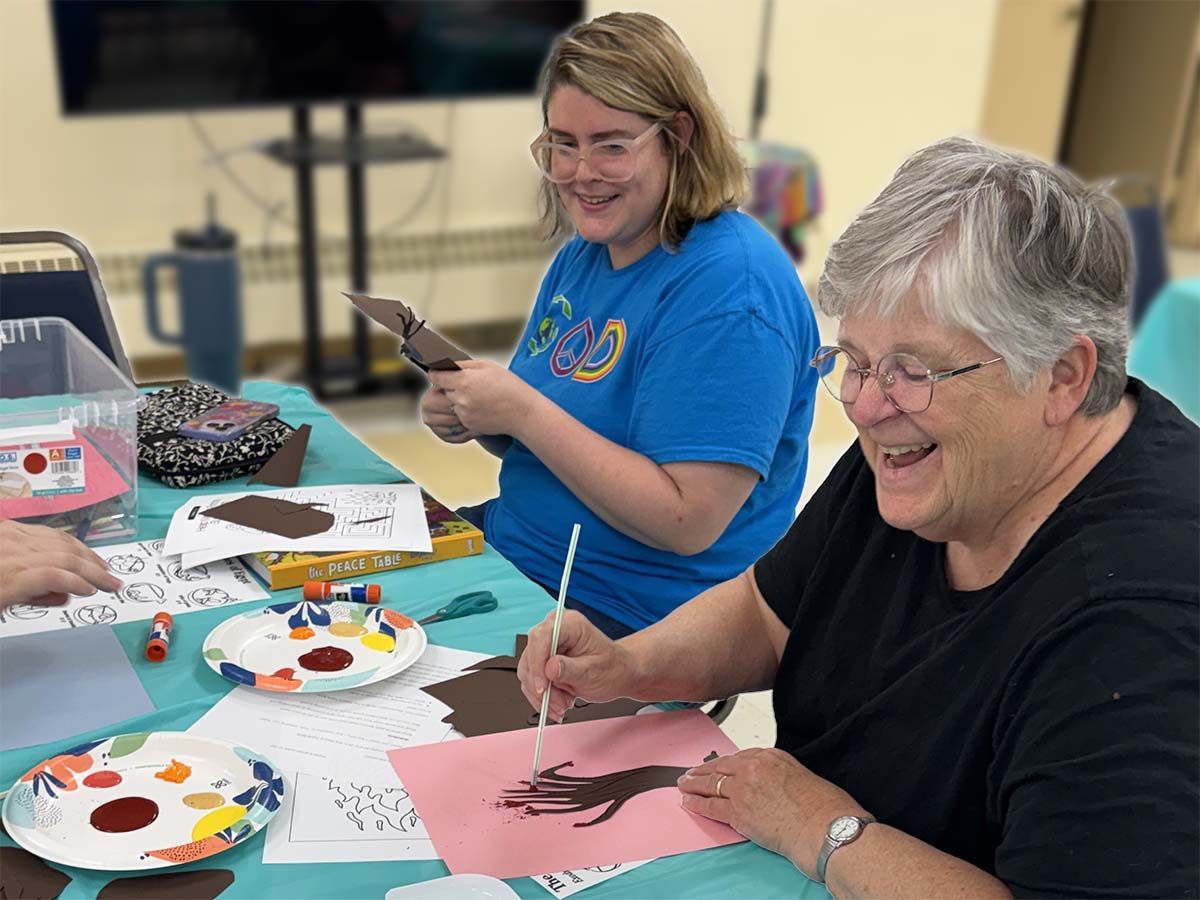
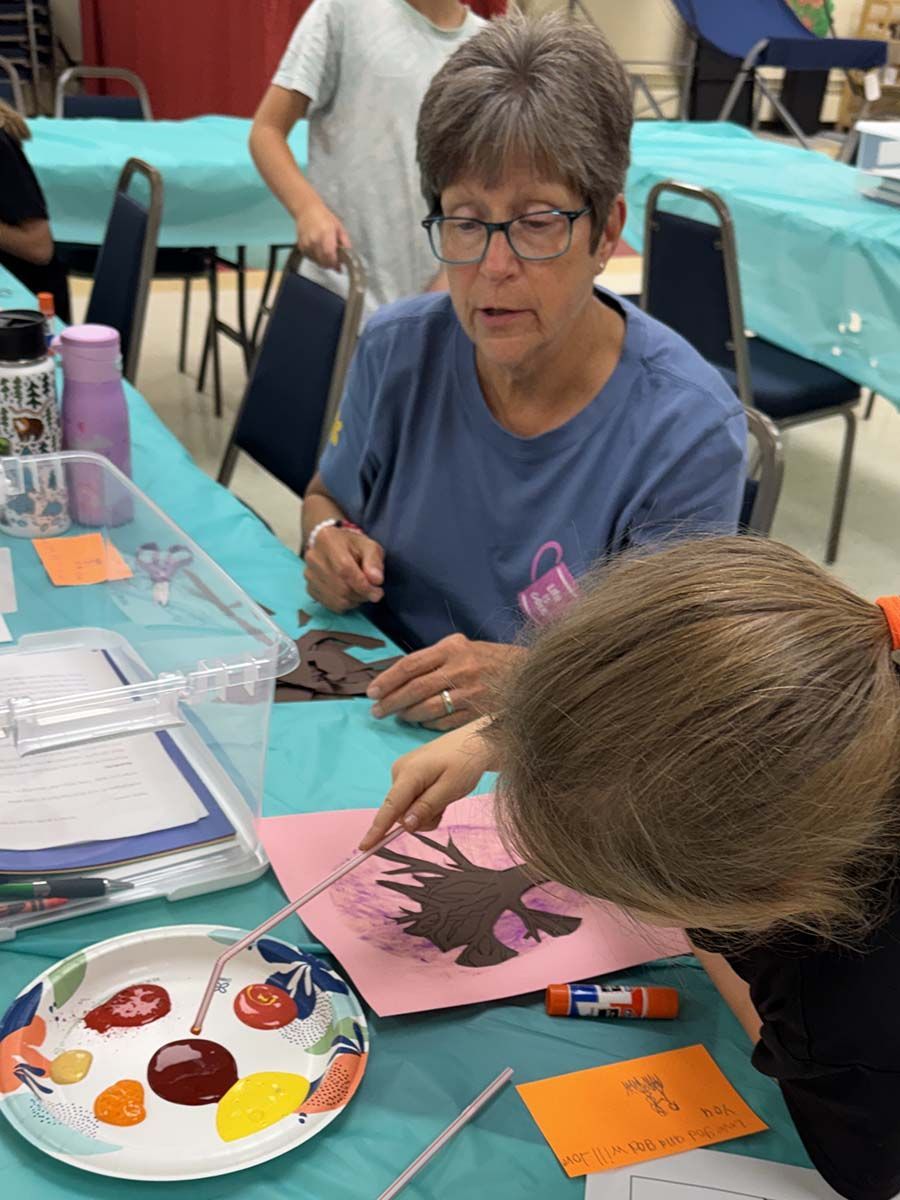
Children created beautiful burning bush artwork using cardstock, paint, and straws. Bright reds, oranges, and yellows swirled around the branches as they blew the paint across the page, creating flames that looked almost alive.


🧱 Making Bricks Like the Israelites


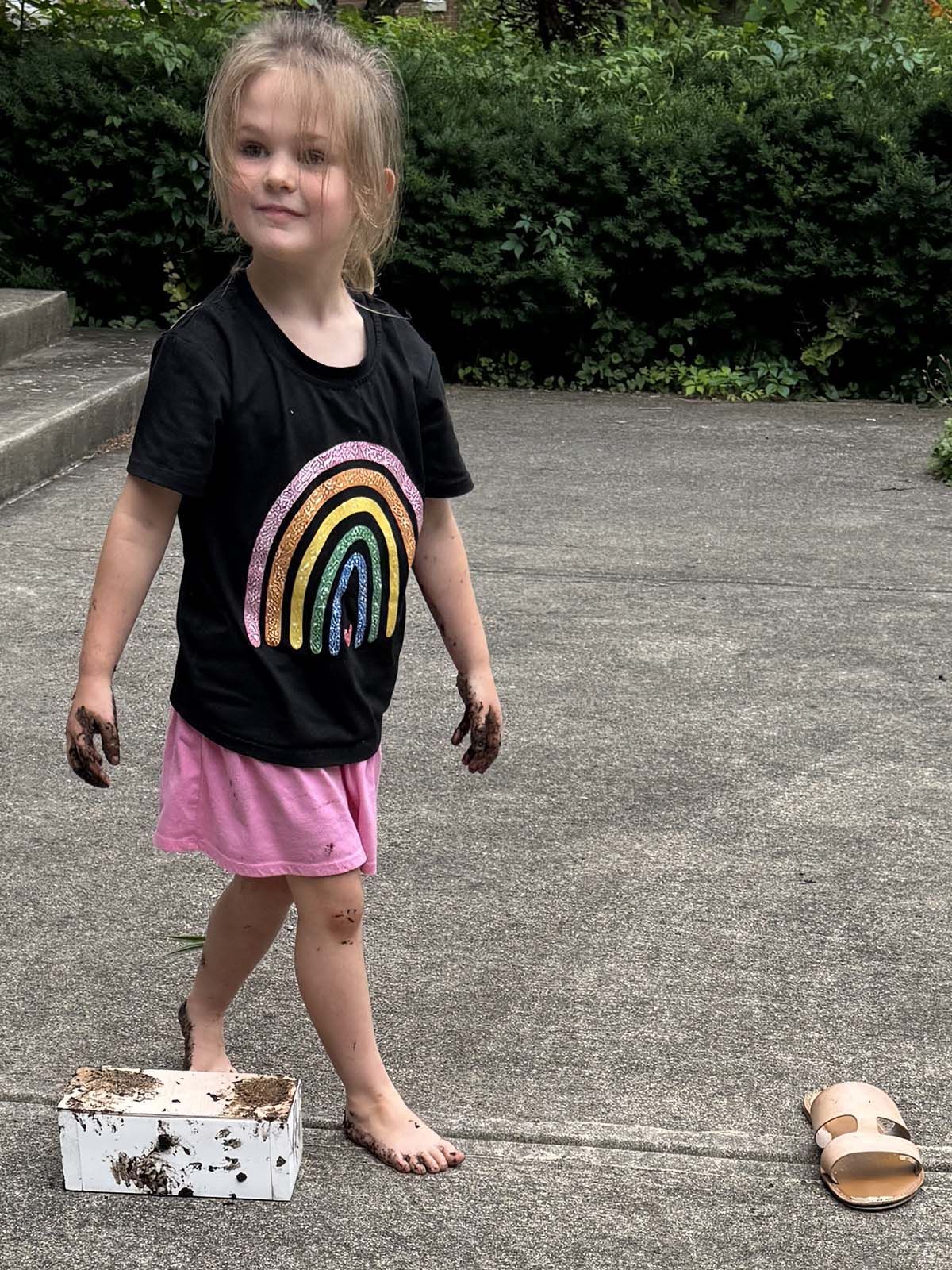
One of the most popular activities of the evening involved making bricks for our community garden. Participants mixed clay, dirt, and water in a kiddie pool and packed the mixture into molds. This activity helped everyone understand just how difficult the Israelites' work must have been under Pharaoh's rule.


🖌️ Egyptian Brick Painting


After making the bricks, participants decorated and painted them much as the ancient Egyptians would have. The creativity on display was incredible!


🍦 Plague Sundaes


No Moses Adventure evening would be complete without a fun snack! Participants enjoyed "Plague Sundaes," a delicious treat that sparked plenty of laughter and conversation. Thankfully, these plagues were much sweeter than the real ones!


A Community Learning Together


One of the greatest joys of The Moses Adventure continues to be its intergenerational format. Grandparents, parents, teens, and children learned side-by-side, asked questions together, and shared insights from different stages of life. Watching families discuss Scripture together and create crafts side-by-side reminds us that faith is meant to be passed from generation to generation.


Looking Ahead


As we concluded the evening with prayer and worship, we remembered that God called Moses for a special purpose and promised to be with him every step of the way. The same God who spoke through a burning bush, confronted Pharaoh, and protected His people is still calling us today.


We can't wait to see what happens next as Moses continues leading God's people toward freedom!


🌟 Big Picture Truth: Moses was called by God, and God is our Protector!


Join us next week as The Moses Adventure continues!

By Rev. Richard Brendan • October 8, 2026
Indigenous Peoples Day invites us to pause and remember that we live on land with a story much older than our own. It is a day to listen to the voices, wisdom, stories, and resilience of Indigenous peoples and to acknowledge the painful history that is also a part of this land’s story. It calls us to move beyond simply remembering and to ask: “How might we live with greater humility, gratitude, and respect for the people and the Earth who have been here long before us?”
By Rev. Dr, Carolyn Scanlan-Holmes • September 29, 2026
Although we define our world with borders, walls, and ideologies, World Communion Sunday brings us a simple reality: we belong to each other. This Sunday, we gather around a table that expands across the globe, a table of radical hospitality where all are fed, all are valued, and all are loved. Together, we commit to the collective work of peace, justice, and healing for our planet. Join us as we break bread and build bridges.
By Rev. Dr. Carolyn Scanlan-Holmes • September 22, 2026
Be honest: When you pray, does it feel like a genuine conversation—or just another item on your to-do list? Sometimes, the most familiar things are the hardest to truly see. This Sunday, we continue week two of our series, The Art of Living, by stripping away the routine and taking a radical new look at the most famous prayer in history. Diving into the Gospel of Matthew, we're looking past the familiar recitations of the Lord's Prayer to discover what it actually takes to build a thriving spiritual life. Whether your prayer life feels vibrant, completely stuck, or non-existent right now, Jesus' words offer the reset you need. This week, we're digging into the setup, motive, and heart of prayer—moving past empty repetitions and performance checklists to find a space where true connection and forgiveness can transform our daily lives. Mastering the art of living doesn't start with striving; it starts with humility and silence in the presence of God. Join us this weekend as we discover how a simple shift in our prayer life can change everything. See you Sunday!
By Rev. Dr. Carolyn Scanlan-Holmes • September 14, 2026
A new two-week series exploring how faith connects to daily rhythms and habits — with a visual artist and writer bringing "The Art of Living" to life.
By Michael Ransom • September 13, 2026
You can make a difference with the power of the pen
By Rev. Richard Brendan • September 7, 2026
St. Francis's embrace of the leper reveals a truth about love: it grows not by avoiding what frightens us, but by moving toward it.
By Rev. Dr. Carolyn Scanlan-Holmes • September 1, 2026
Remembering 9/11
By Rev. Dr. Carolyn Scanlan-Holmes • August 25, 2026
Life comes with no map. We try to make our own and we set out, sometimes with excitement, sometimes with fear or grief, or just because standing still isn't an option. Sometimes we go not entirely sure where we're headed or what we'll find when we get there. In one of the most quietly beautiful stories in the Gospel of Luke, two travelers, heavy with loss and confusion, walk a road from Jerusalem. They meet a stranger, who falls in step beside them. They don't know who he is. They don't know what's coming next. But they keep walking. Somewhere in the walking, something shifts. The Road to Emmaus isn't really a story about a destination. It's a story about what happens on the way there: the conversations, the companions, the moments of unexpected recognition that change everything. Join us Sunday as we explore what it means to be on a journey full of unknowns. Do we fear that which we cannot know, or can we embrace the uncertainty as part of the adventure?
By Rev. Dr. Brenda Freije • August 18, 2026
What if Jesus’ words, “Blessed are the pure in heart, for they shall see God,” are not about who gets to see God someday, but an invitation to learn how to see God now? The great Christian mystics believed that the heart is more than the center of our emotions. It is an “organ of spiritual perception,” a way of seeing beneath the surface of things into the deeper reality of God’s presence. Richard Rohr says this is what mysticism is really about. Mystics are not spiritual elites who have strange or extraordinary experiences. They are people who have learned to go beneath the surface and discover the “connected core of reality.” The result is not simply a different experience of God; it is a different way of seeing everything. They begin to see grace in all things and the deep connections between all things—seeing a neighbor instead of a stranger, a human being instead of an enemy, sacred creation instead of commodities, connection instead of separation, and Divine Presence where we previously assumed God was absent. And that gives us perhaps the most important test of genuine mystical spirituality: Are we becoming more loving? The goal of contemplative practice is not extraordinary spiritual experiences. Its fruit is a growing capacity for compassion, generosity, freedom, and love—a different way of being in the world. Let's explore what Jesus might mean by a “pure heart,” what keeps us from seeing clearly, how learning from the mystics and their practices can help us awaken to a God who may be much closer than we realize, and how all of this might enable us to act in the world with greater peace, hope, and clarity.
By Joy Dyer, MSW, LCSW • August 10, 2026
The relationship we have with our mothers is one of the most meaningful in our lives. Sometimes sweet, sometimes difficult…or worse…but always full of complexity. And researchers have determined that this most significant of relationships actually begins in the womb. It’s the template where we first learn about love, whether we were fortunate to have loving mothers, or mothers who sadly were unable to love us as we needed and deserved. This primal, intense relationship continues throughout our lives, influencing and shaping who we become and how we relate to others as we journey through on our own paths. Is it any wonder then that the death of our mothers is one of the most impactful losses that we will experience? And yet, even after her death, it’s possible to have a continuing conversation and relationship with her…with her gifts and her flaws…that allows for connection and the possibility of repair and forgiveness. This Sunday, please join us as we explore the joys, sorrows, and possibilities of the eternal bond between mother and child. Joy Dyer, MSW, LCSW, brings 37 years of clinical social work experience, including work in end-of-life care and advanced bereavement training. She specializes in grief in all its forms. Joy returns to The Garden on Thursday, September 3 for Debunking the Myths of Grief.