The Art of Community
Rev. Dr. Carolyn Scanlan-Holmes • July 21, 2026
On Sunday we will look at how we are working to address the loneliness epidemic through community-building. How are we doing? We will explore how we have used the grant to further this mission and how it is working. Our hope and intent is that our approach echoes the transformative work of Jesus and his disciples in fostering a loving, lasting community. Let's explore how we can come together to create meaningful connections and build strong community.

In World War II, a “Dear John” letter was synonymous with breaking up. When The Garden was founded some 30 years ago, we sent our own “Dear John” letter to the United Methodist Church. We felt the path the traditional church had taken was too narrow, and The Garden wanted to champion “many paths and one purpose.” However, about 10 years ago, we realized we needed to co-parent this message of hope and love, so we reluctantly joined the Conference as a UMC congregation. This year, I’ve had the opportunity to get reacquainted with our Methodist roots and John Wesley himself. For me, it has felt like going to a class reunion and falling back in love with a high school sweetheart—realizing that even though we took different paths, we still have so much in common, and well, maybe it's time to get back together? This Sunday, we will look at how The Garden has lived into the very core message that John Wesley preached. We will consider how being part of the UMC connection can help us transform the world with God's love, and how The Garden can help the UMC see that there are truly many loving paths. Join us this Sunday for “Dear John.”

What makes some people extraordinarily generous, even when they have so little to give, while others who have so much find it difficult to share? In his letter to the Corinthians, Paul describes the Macedonian churches, whose poverty and hardships did not diminish their generosity. Instead, their joy overflowed into giving. Through personal stories and encounters with unexpected generosity, we'll explore what happens when grace becomes more than something we receive. It becomes something we share. Grace isn't something we hold on to. It's something we allow to flow through us. As The Garden reflects on its future, we have an opportunity to ask a deeper question: What kind of community do we want to create together? What would it look like to become a community where love, compassion, acceptance, and generosity overflow into the lives of others? Perhaps the greatest gift we have to offer isn't what we possess, but who we are and how we choose to share ourselves with the world. When grace overflows, generosity isn't something we have to do. It's something we get to do.

Indigenous Peoples Day invites us to pause and remember that we live on land with a story much older than our own. It is a day to listen to the voices, wisdom, stories, and resilience of Indigenous peoples and to acknowledge the painful history that is also a part of this land’s story. It calls us to move beyond simply remembering and to ask: “How might we live with greater humility, gratitude, and respect for the people and the Earth who have been here long before us?”

Although we define our world with borders, walls, and ideologies, World Communion Sunday brings us a simple reality: we belong to each other. This Sunday, we gather around a table that expands across the globe, a table of radical hospitality where all are fed, all are valued, and all are loved. Together, we commit to the collective work of peace, justice, and healing for our planet. Join us as we break bread and build bridges.

Be honest: When you pray, does it feel like a genuine conversation—or just another item on your to-do list? Sometimes, the most familiar things are the hardest to truly see. This Sunday, we continue week two of our series, The Art of Living, by stripping away the routine and taking a radical new look at the most famous prayer in history. Diving into the Gospel of Matthew, we're looking past the familiar recitations of the Lord's Prayer to discover what it actually takes to build a thriving spiritual life. Whether your prayer life feels vibrant, completely stuck, or non-existent right now, Jesus' words offer the reset you need. This week, we're digging into the setup, motive, and heart of prayer—moving past empty repetitions and performance checklists to find a space where true connection and forgiveness can transform our daily lives. Mastering the art of living doesn't start with striving; it starts with humility and silence in the presence of God. Join us this weekend as we discover how a simple shift in our prayer life can change everything. See you Sunday!
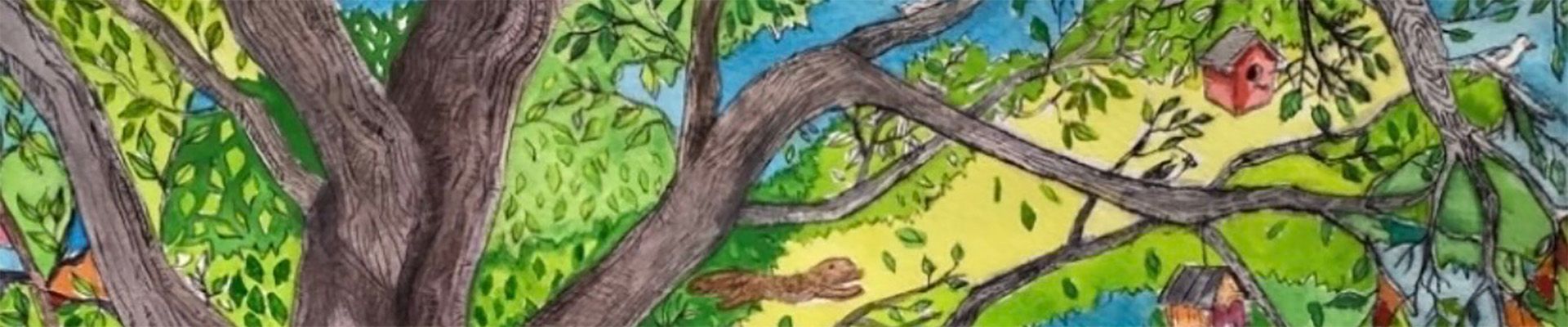
A new two-week series exploring how faith connects to daily rhythms and habits — with a visual artist and writer bringing "The Art of Living" to life.

You can make a difference with the power of the pen

St. Francis's embrace of the leper reveals a truth about love: it grows not by avoiding what frightens us, but by moving toward it.

Remembering 9/11

Life comes with no map. We try to make our own and we set out, sometimes with excitement, sometimes with fear or grief, or just because standing still isn't an option. Sometimes we go not entirely sure where we're headed or what we'll find when we get there. In one of the most quietly beautiful stories in the Gospel of Luke, two travelers, heavy with loss and confusion, walk a road from Jerusalem. They meet a stranger, who falls in step beside them. They don't know who he is. They don't know what's coming next. But they keep walking. Somewhere in the walking, something shifts. The Road to Emmaus isn't really a story about a destination. It's a story about what happens on the way there: the conversations, the companions, the moments of unexpected recognition that change everything. Join us Sunday as we explore what it means to be on a journey full of unknowns. Do we fear that which we cannot know, or can we embrace the uncertainty as part of the adventure?